

The best paint protection for a new car is a professionally applied ceramic coating combined with Paint Protection Film (PPF) on high-impact areas. If your budget allows only one, a professional ceramic coating delivers the strongest combination of UV resistance, hydrophobicity, chemical protection, and long-term gloss. If physical damage from rock chips and road debris is your primary concern, PPF wins outright.
Here in Sacramento, that choice matters more than most people realize. The Central Valley sun is intense. Summer temperatures regularly push past 100°F, and UV exposure at this level accelerates paint oxidation faster than in most other parts of the country. Getting the right protection on a new car early is not optional if you want the finish to hold up.
For most new car owners, a professional ceramic coating applied within the first few weeks of ownership is the smartest investment you can make. Top professional brands include Feynlab Ceramic Ultra V2, Gtechniq Crystal Serum Ultra, and CarPro CQuartz. For high-risk zones like the front bumper and hood, pairing that with self-healing PPF from XPEL or 3M Scotchgard gives you comprehensive coverage. If you want a DIY-friendly option with serious longevity, Gyeon Mohs Evo is the most accessible entry into professional-grade protection.
What Is Car Paint Protection Coating?
A paint protection coating is a layer of material applied over your car’s clear coat to shield it from environmental and physical damage. It is not a replacement for your car’s existing paint layers. It sits on top and acts as a sacrificial barrier.
The clear coat on a new car is softer than most people realize. Bird droppings etch into it within hours on a hot Sacramento afternoon. UV rays cause oxidation within months of regular outdoor parking. Road contamination from Highway 50 and I-80 bonds to the surface and dulls the finish over time. A protection coating slows or stops all of this.
There are four main types: ceramic coatings, Paint Protection Film, paint sealants, and car wax. Each works through a different mechanism and offers a different level and type of protection.
4 Types of Car Paint Protection: How Each One Works
Ceramic Coating
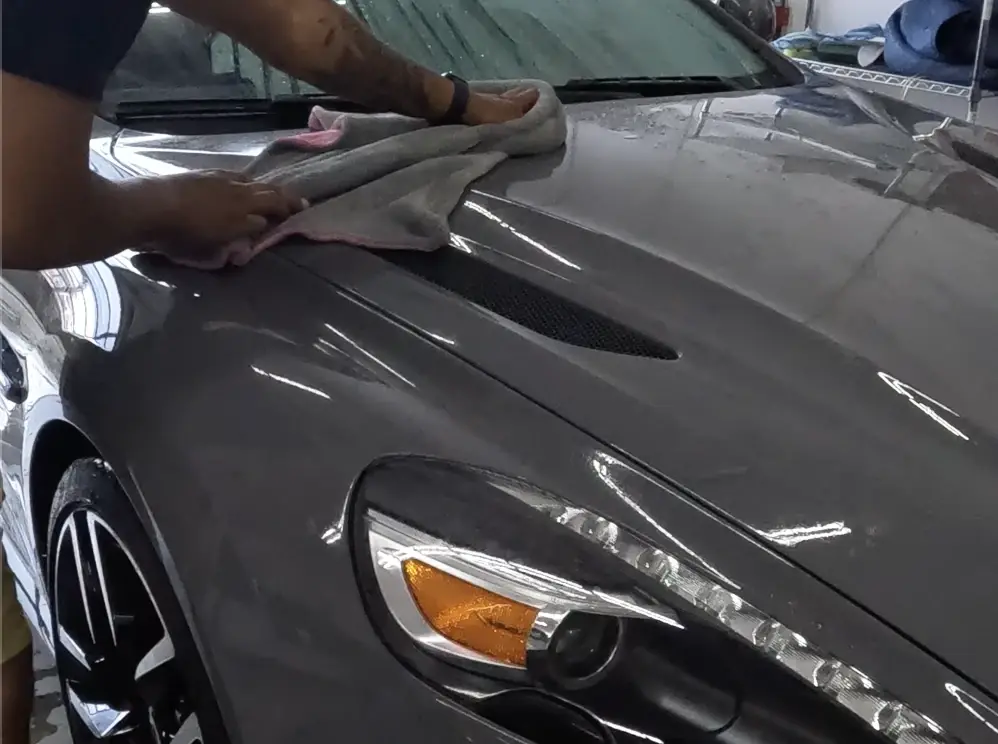
A ceramic coating is a liquid polymer, primarily silicon dioxide (SiO2), that chemically bonds to your car’s clear coat. Once cured, it forms a hard, semi-permanent shell over the paint. The SiO2 creates an extremely hydrophobic surface, meaning water and most contaminants cannot bond to it. They bead up and roll off instead.
The key variable in ceramic coatings is the concentration of SiO2. Professional-grade products often exceed 80% SiO2 concentration. Consumer products are diluted significantly, which makes them easier to apply safely but reduces longevity. A professional coating can last three to five years with proper maintenance. A consumer spray product typically delivers protection for three to six months.
Ceramic coatings do not protect against physical impacts. A stone hitting your hood on the freeway will still chip through a ceramic coating. Where they excel is in chemical resistance, UV protection, and maintaining that deep, wet-look gloss for years.
Paint Protection Film (PPF)
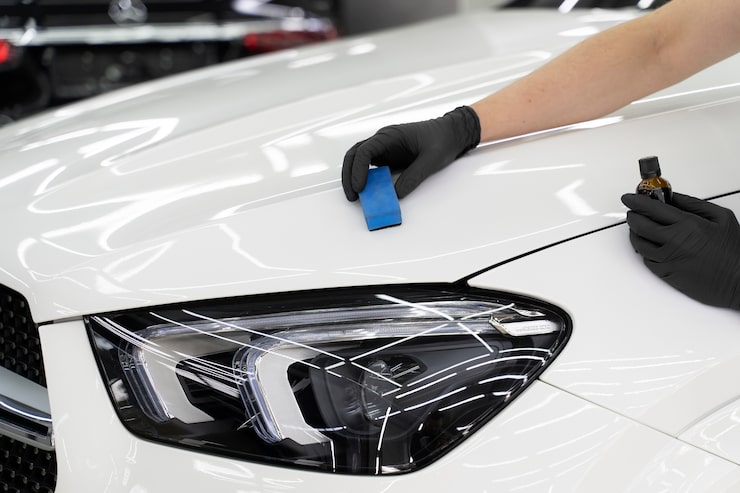
PPF is a thick, optically clear thermoplastic urethane film applied directly to your car’s exterior panels. Unlike a coating, it has measurable physical thickness, typically between 6 and 8 mils. That thickness is what allows it to absorb impacts from road debris, stone chips, and minor abrasions without those forces reaching the paint underneath.
Premium PPF products from XPEL and 3M Scotchgard Pro are self-healing. When the film surface gets scratched, low heat from sunlight or warm water causes the film to reflow and the scratch disappears. This is a genuine property of the elastomeric polymer used in these films, not a marketing claim.
PPF is the most expensive option. Full-car PPF installation from a professional shop typically runs between $2,500 and $7,000 depending on the vehicle size and the product used. A partial install covering just the hood, front bumper, and mirrors is far more common and significantly more affordable, usually between $500 and $1,500. Its limitation is that it does not enhance gloss the way ceramic does, and on some vehicles with darker paint, it can create a slight texture difference.
Paint Sealant
A paint sealant is a synthetic polymer product that bonds to the paint surface and provides a protective layer. It is more durable than wax, typically lasting three to six months, and provides better resistance to UV rays and environmental contaminants. Products like Cerakote Rapid Ceramic Paint Sealant sit in this category. They use ceramic-adjacent chemistry but at lower concentrations, making them far easier to apply correctly and much more forgiving of imperfect surface prep.
Paint sealants are a practical choice for someone who wants protection better than wax but does not want to invest in a full ceramic coating job. They will not last as long and do not form the same hard shell, but you can apply them in your driveway in under an hour.
Car Wax
Traditional car wax, whether carnauba or a synthetic blend, sits on the surface of the clear coat rather than bonding to it. It adds gloss and some water repellency, but it lasts at most two to three months under normal conditions and provides minimal protection against UV, chemicals, or abrasion. In a climate like Sacramento’s, wax breaks down even faster due to heat exposure. It has essentially been made obsolete for protection purposes by modern sealants and ceramic products.
Side-by-Side Comparison
| Type | Durability | Physical Protection | Gloss Enhancement | DIY-Friendly | Avg. Professional Cost |
|---|---|---|---|---|---|
| Ceramic coating (professional) | 3–5 years | None | Excellent | No | $800–$2,500 |
| Ceramic coating (consumer) | 3–6 months | None | Good | Yes | $50–$150 (kit) |
| PPF (full car) | 5–10 years | Excellent | Moderate | No | $2,500–$7,000 |
| PPF (partial front) | 5–10 years | Excellent on covered areas | Moderate | No | $500–$1,500 |
| Paint sealant | 3–6 months | None | Moderate | Yes | $20–$80 (kit) |
| Car wax | 1–3 months | None | Good | Yes | $15–$50 |
The Best Paint Protection Option for New Cars
The ideal setup for a new car is PPF on the front end combined with a full-car professional ceramic coating. PPF handles the physical threat from stone chips and debris on the hood, bumper, and front fenders. The ceramic coating handles UV, chemical contamination, and long-term gloss across the entire vehicle. Together, they cover every meaningful threat to a new car’s finish.
If that combined approach is not within budget, a professional ceramic coating alone is the next best choice. The reason to apply it to a new car specifically, rather than waiting, is that new paint is untouched. There are no swirl marks from incorrect washing, no embedded contamination, no oxidation. The ceramic coating bonds to a perfectly clean surface and locks in that condition. Waiting a year means locking in a year’s worth of damage instead.
Best Professional Ceramic Coating Brands
These are the products that professional detailers and independent testing consistently rank at the top of the category.
Feynlab Ceramic Ultra V2 is regarded as one of the most durable professional coatings available. It has exceptionally high SiO2 concentration, delivers a very deep gloss, and is rated for five or more years under normal conditions. It is not sold to consumers directly. You need a certified Feynlab installer to apply it.
Gtechniq Crystal Serum Ultra is widely used in professional detailing shops across the US. It uses a dual-layer system: a harder base layer for durability and a softer top layer for scratch resistance. It produces a significant improvement in gloss depth and is rated for nine years when applied by a certified detailer.
CarPro CQuartz UK 3.0 is a strong professional-grade option with excellent hydrophobic performance and a consistent reputation for longevity. It is also available in a consumer version, CQuartz Lite, though the professional formula delivers substantially better durability.
Best DIY Ceramic Coatings
If you want to apply the coating yourself and you are prepared to do the surface preparation correctly, the results from quality consumer ceramic products are genuinely good.
Adam’s Polishes Graphene Ceramic Coating Advanced is one of the most complete consumer kits available. It includes surface prep liquid, application pads, gloves, and a maintenance spray. The ceramic liquid has a concentrated, syrup-like viscosity and applies using a cross-hatch pattern. After 24 hours of curing, it produces a noticeably thick protective layer. It does not match a professional coating for longevity, but it is well above average for a DIY product.
Chemical Guys Carbon Force produces the thickest layer of any consumer ceramic product. It has an almost gel-like consistency, goes on smoothly, and after curing has a firm, protective feel. It comes with three applicator pads and requires patience during the curing process.
Gyeon Mohs Evo deserves specific mention because it fills a gap between consumer sprays and professional installations. Independent testers consistently rate it as the best DIY option for someone who wants results that last significantly longer than typical consumer coatings. If you want more than a six-month sealant but are not ready to pay for professional installation, Gyeon Mohs Evo is the most sensible choice in the US market.
Cerakote Rapid Ceramic Paint Sealant is the most accessible starting point. It is a spray sealant rather than a concentrated coating, making it the simplest to apply correctly. It is available at Home Depot and Walmart, dries quickly, and produces good hydrophobic results. Think of it as a strong maintenance product rather than a long-term solution.
Turtle Wax Hybrid Solutions Ceramic Spray Coating combines SiO2 technology with traditional polymers and is widely available at AutoZone, O’Reilly Auto Parts, and Walmart across the Sacramento area. It is the easiest product on this list to apply, genuinely forgiving of technique, and provides real protection in wet conditions. Expect three to six months of protection before reapplication.
Why New Cars Need Protection Right Away
When a new car sits on a dealer lot in Sacramento, it has already been exposed to UV rays, bird droppings, industrial fallout from the surrounding area, and often improper washing by lot attendants. Even fresh factory paint has transport scratches and minor swirl marks. A ceramic coating applied over a properly decontaminated surface locks in a clean baseline and makes every subsequent wash safer and more effective.
The hydrophobic layer means contaminants cannot bond directly to the clear coat. When bird droppings land on an unprotected surface, the uric acid begins etching into the clear coat within hours, especially in Sacramento summer heat. On a ceramic-coated surface, the droppings sit on top of the coating and wipe off cleanly.
UV protection is the other major benefit. Sacramento averages over 265 sunny days per year. That sustained UV exposure causes paint oxidation faster here than in coastal cities like San Francisco or Seattle. A ceramic coating with high SiO2 concentration blocks UV penetration and significantly slows this process.
Surface Preparation: The Step That Determines Everything
Every ceramic coating, regardless of cost, performs in direct proportion to how well you prepare the surface before applying it. This is where most DIY applications go wrong, and it is the primary reason professional installations cost what they do.
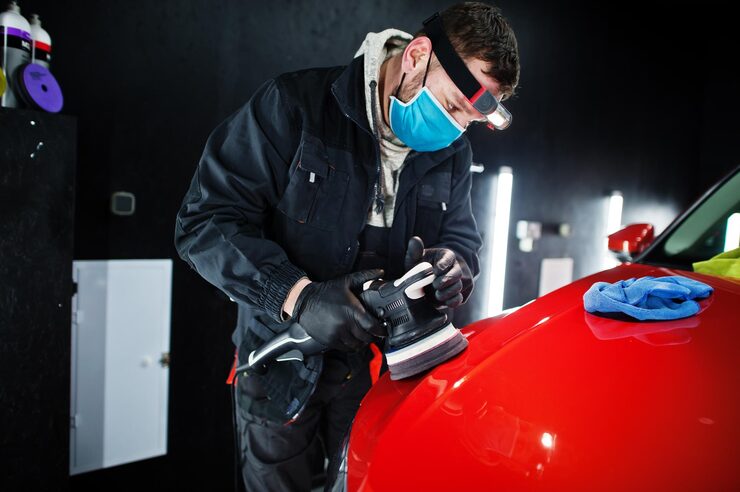
The minimum preparation before coating a new car involves a thorough hand wash, a clay bar decontamination session to remove bonded surface contamination, and a final wipe with an isopropyl alcohol solution to strip any remaining oils or residue. For a car that already has swirl marks or scratches, paint correction using a machine polisher is necessary before coating.
Any imperfection present at the time of coating gets sealed in permanently. It will not smooth out. It will not improve. It stays there for the life of the coating.
Professional shops spend one to three full days on preparation alone before applying a premium coating. That is the core reason professional jobs cost between $800 and $2,500 or more. You are not just paying for the product. You are paying for the prep work.
How the Curing Process Works
Ceramic coatings cure in stages, and understanding each stage prevents the most common mistakes.
In the first 24 hours, the coating is completely vulnerable. Keep the car dry, keep it indoors or covered, and do not touch the surface. Any moisture or contamination that contacts the surface during this window gets sealed in as the coating hardens.
Between 24 and 48 hours, initial hardening occurs. You can drive the car, but avoid rain, car washes, and direct water contact.
Full cure takes seven to fourteen days. During this period, the coating reaches its maximum hardness. Consumer products typically reach full strength within seven days. Professional coatings with higher SiO2 concentrations can take up to two weeks.
Do not apply a ceramic coating outdoors in direct sunlight or in high humidity. In Sacramento’s dry summer heat, direct sun causes the coating to flash-cure unevenly and can result in high spots that require polishing out. Controlled indoor environments produce the most consistent results.
Maintaining a Ceramic-Coated Car
A ceramic coating is not a permanent shield that removes the need for washing. It makes washing safer and more effective, but the coating still needs regular care to keep performing.
Wash the car every two to four weeks using a pH-balanced shampoo formulated for ceramic-coated vehicles. Avoid harsh detergents, alkaline soaps, and high-pressure washers directed at panel surfaces. These degrade the coating faster than normal wear.
Do not use drive-through automatic car washes with brushes. The brushes scratch the coating surface and reduce hydrophobic performance over time. Touchless car washes are acceptable. Hand washing with proper two-bucket technique is the safest and most effective method.
Every six to twelve months, apply a ceramic booster or maintenance spray designed for coated surfaces. Products like Adam’s Graphene Boost revive the hydrophobic layer and extend the coating’s effective lifespan. It is a ten-minute job that meaningfully prolongs the time before a full reapplication is needed.
Which Option Is Right for You?
If you want the maximum protection available, apply PPF to the front bumper, hood, fenders, and side mirrors, then have a professional ceramic coating applied over the entire car. This combination covers physical impact and chemical or environmental damage comprehensively.
If your priority is long-term gloss and ease of cleaning with a single product, a professional ceramic coating is the right call. Look for a shop in Sacramento that uses Feynlab, Gtechniq, or CarPro products and can show you their installer certification.
If you plan to do it yourself and want the best consumer-grade result, start with thorough surface preparation, then apply Adam’s Graphene Ceramic Coating Advanced or Gyeon Mohs Evo.
If you want quick, affordable, repeat-application protection, Cerakote Rapid or Turtle Wax Hybrid Solutions are solid choices available at local Sacramento auto parts stores.
The worst choice for a new car is doing nothing. Factory clear coat without any additional protection starts degrading within the first year of Sacramento sun, and undoing that damage through paint correction later costs far more than the coating would have.
So what’s the best way to protect the paint on a new car? Read on to find out!
Frequently Asked Questions
Is ceramic coating worth it for a new car?
Yes. New paint is the ideal surface for ceramic coating because it has no existing damage from intense UV exposure and summer heat, making paint protection more important here than in most US cities. Applying a coating within the first few weeks preserves the factory finish at its best point and dramatically slows deterioration.
How long does ceramic coating last?
Professional coatings from brands like Gtechniq Crystal Serum Ultra are rated for up to nine years under correct maintenance. Most professional-grade coatings realistically deliver three to five years. Consumer spray products and sealants last three to six months before requiring reapplication.
How much does ceramic coating cost in Sacramento?
Professional ceramic coating for a mid-size car in Sacramento typically ranges from $800 to $2,500 depending on the brand, number of layers, and preparation work included. Premium multi-layer installations with paint correction included sit at the higher end. Consumer DIY kits run from $50 to $150.
Is PPF better than ceramic coating?
They protect against different threats. PPF provides physical protection against rock chips, scratches, and impact damage. Ceramic coating provides chemical resistance, UV protection, and hydrophobicity. For complete protection, use both. PPF on the front end where road debris hits hardest, ceramic coating over the full car.
Can I apply ceramic coating myself?
Yes, but surface preparation is the critical step. The coating application itself is straightforward. Getting the paint genuinely decontaminated and free of oils, micro-scratches, and residue before you apply is where the real work is. Skipping preparation is the primary reason DIY ceramic coatings underperform.
Does ceramic coating prevent scratches?
A ceramic coating adds surface hardness and provides minor resistance to light swirl marks from washing. It does not prevent deep scratches or rock chips. For scratch and chip protection, PPF is the correct product.
Does a ceramic coating require maintenance?
Regular washing with pH-neutral soap every two to four weeks is important to preserve the coating. Using a ceramic booster spray every six to twelve months keeps the hydrophobic layer active and significantly extends the coating’s lifespan.
Where can I get ceramic coating applied in Sacramento?
JH Window Tinting Sacramento offers professional paint protection services for new and used vehicles. Contact us to discuss the right protection package for your car.